Sport Windsurf: Thrill of Wind and Waves
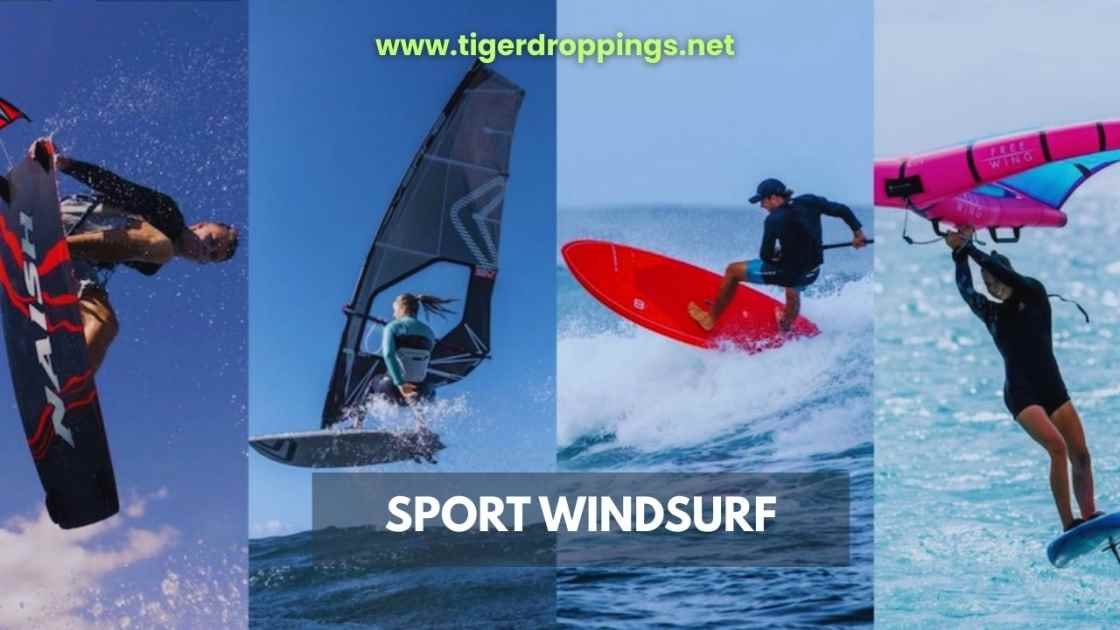
Sport windsurf combines the rush of surfing with the power of sailing. Riders stand on a board while holding a sail attached to a mast, using wind to glide across water at exciting speeds. This dynamic water sport offers adventure, fitness, and connection with nature. Whether you call it windsurfing or sport windsurfing, it delivers an unmatched thrill as you harness wind and waves.
Imagine standing on a board, wind filling your sail, waves rushing beneath you as you speed across the water. That is the essence of sport windsurfing. This exciting activity blends surfing and sailing into one addictive pursuit. Popular worldwide, windsurfing attracts beginners and experts alike with its mix of adrenaline, skill, and freedom.
What Exactly Is Sport Windsurf?
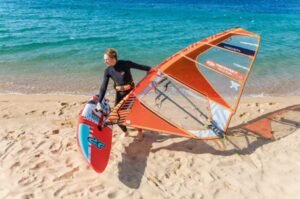
Sport windsurfing, also known as windsurfing or sailboarding, involves a board with a mounted sail. The rider stands on the board, holds a boom (horizontal bar), and tilts the sail to catch wind for propulsion. Steering happens by shifting body weight and adjusting sail angle.
Unlike traditional surfing, sport windsurfing works on flat water or waves because the sail provides power. You can cruise calmly or perform jumps and tricks in strong winds. Boards range from long stable beginner models to short high-performance ones for advanced riders.
Modern equipment includes inflatable options for easy transport. For example, the F2 SUP Sport Windsurfing 10 8 combines stand-up paddleboarding with windsurfing capabilities. Brands like BIC Sport Windsurfing produce durable beginner-friendly boards that help new riders build confidence quickly.
Key Differences from Similar Sports
| Sport | Power Source | Equipment Needed | Skill Focus |
| Sport Windsurf | Wind | Board, sail, mast, boom | Balance, sail control, steering |
| Kitesurfing | Wind via kite | Board, kite, harness | Kite control, jumping |
| Stand Up Paddle | Paddling | Board, paddle | Core strength, balance |
| Traditional Surfing | Waves | Surfboard | Wave reading, timing |
The Fascinating History of Sport Windsurfing
Sport windsurf began in the late 1960s. California engineer Jim Drake and surfer Hoyle Schweitzer combined a surfboard with a sail. They created the first functional prototype in 1968. By 1970, Schweitzer patented the design and named it “Windsurfer.”
The sport exploded in popularity during the 1980s. Europe embraced it strongly, especially Germany and France. Professional competitions emerged, and windsurfing became an Olympic sport in 1984 for men and 1992 for women.
Manufacturers like BIC Sport Windsurfing mass-produced affordable boards in the 1980s and 1990s, making the sport accessible worldwide. Equipment evolved from heavy longboards to lighter, more maneuverable designs. Today, inflatable technology and foil boards push boundaries further.
Major Milestones in Sport Windsurfing History
- 1968: First prototype built by Drake and Schweitzer
- 1970: Official patent granted
- 1984: Debut in Olympic sports
- 1990s: Wave sailing and freestyle disciplines gain popularity
- 2010s: Foil windsurfing revolutionizes speed and efficiency
Essential Gear to Kick Off Your Sport Windsurfing Journey
Quality gear makes learning easier and safer. Beginners should start with stable, forgiving equipment.
Must Have Items
- Board: Wide, long boards with daggerboards provide stability. BIC Sport Windsurfing beginner boards excel here.
- Sail Rig: Includes sail, mast, boom, and base. Start with smaller sails (4.0 to 6.0 square meters) for control.
- Wetsuit or Rash Guard: Protects against cold water and sun.
- Harness: Reduces arm fatigue on longer sessions.
- Life Jacket or Impact Vest: Essential for safety and buoyancy.
- Helmet: Recommended in wavy or crowded conditions.
Popular Beginner Board Comparison
| Board Model | Volume (Liters) | Length | Best For | Key Feature |
| BIC Sport Windsurfing Beginner | 220 to 290 | 11 to 12 ft | New riders | Daggerboard for upwind ability |
| F2 SUP Sport Windsurfing 10 8 | 300+ | 10 ft 8 in | Multi use (SUP + windsurf) | Inflatable for easy storage |
| Starboard Start | 240 | 11 ft | Schools and rentals | Extremely durable |
Inflatable boards like the F2 SUP Sport Windsurfing 10 8 offer versatility. You can paddle on calm days and attach a sail when the wind picks up.
Getting Started with Sport Windsurfing: Beginner Tips That Work
Success comes from proper technique and patience.
Step-by-Step Learning Process
- Take professional lessons (highly recommended for safety and faster progress)
- Practice on land first (rigging, sail positions)
- Start in light winds (5 to 15 knots) on flat water
- Master basic positions: beach start, sailing stance, turning
- Learn to uphaul sail from the water
- Practice steering with sail tilt and board lean
- Progress to planning in stronger winds
Common Beginner Mistakes to Avoid
- Using too large a sail in strong winds
- Gripping the boom too tightly (causes fatigue)
- Leaning back instead of forward
- Forgetting to look upwind
- Not checking the weather forecast
Choose calm bays or lakes for initial sessions. Many U.S. locations, like Florida’s Tampa Bay or California’s San Francisco Bay, offer ideal beginner conditions.
Top Destinations to Experience Sport Windsurfing at Its Best
United States Hotspots
- Maui, Hawaii: World capital of windsurfing. Ho’okipa Beach offers world-class waves.
- Hood River, Oregon: The Columbia River Gorge provides consistent, strong winds.
- Cape Hatteras, North Carolina: Long sandy beaches and steady breezes.
- San Francisco Bay, California: Urban access with reliable afternoon winds.
- South Padre Island, Texas: Warm water and consistent conditions.
International Favorites
- Tarifa, Spain
- Bonaire, Caribbean
- Cabarete, Dominican Republic
- Margaret River, Australia
- Dahab, Egypt
Best Destinations by Season
| Location | Best Months | Wind Strength | Water Type | Skill Level |
| Maui, Hawaii | May to September | Strong | Waves | Intermediate+ |
| Hood River, Oregon | June to September | Very strong | Flat/river | All levels |
| Bonaire | Year round | Consistent | Flat | Beginner friendly |
The Incredible Benefits of Sport Windsurfing for Body and Mind
Sport windsurfing provides a complete workout while reducing stress.
Physical Benefits
- Full body exercise engaging core, legs, arms, and back
- Excellent cardiovascular training
- Improves balance and coordination
- Low impact on joints
- Burns 500 to 800 calories per hour
Mental and Emotional Benefits
- Reduces stress through nature connection
- Builds confidence with skill mastery
- Offers meditative flow state
- Social opportunities at beaches and schools
- Vitamin D from sun exposure
Regular sessions improve posture, strengthen stabilizing muscles, and enhance proprioception. Many practitioners report better overall fitness compared to gym workouts.
Staying Safe on Your Sport Windsurfing Sessions
Safety always comes first.
Essential Safety Rules
- Never sail alone
- Check the weather and wind forecast
- Wear appropriate safety gear
- Know your limits and conditions
- Learn self-rescue techniques
- Respect right-of-way rules
- Stay aware of other water users
- Use leash to keep the board attached
Emergency Procedures
- Signal for help by waving arms
- Float with gear if exhausted
- Practice deep water re-entry
- Carry a whistle or signaling device
Take lessons from certified instructors who teach safety alongside technique.
Final Thoughts
Sport windsurfing offers endless excitement, fitness benefits, and connection with nature. From calm cruising to extreme wave riding, this versatile sport adapts to your skill level and goals. Start with proper gear like BIC Sport Windsurf boards or versatile inflatables like the F2 SUP Sport Windsurfing 10 8, take lessons, and gradually build skills.
The feeling of harnessing wind power while gliding across water creates memories that last a lifetime. Whether you choose U.S. favorites like Maui and Hood River or international destinations, perfect spots await. Prioritize safety, respect conditions, and enjoy the incredible journey that windsurfing provides.
FAQs
What is the difference between windsurfing and sport windsurf?
They are the same activity. “Sport windsurfing” emphasizes its athletic nature.
How long does it take to learn sport windsurfing?
Most people learn the basics in 5 to 10 hours of lessons. Becoming comfortable takes several sessions over weeks.
Is sport windsurf expensive to start?
Beginner packages cost $1,000 to $2,500. Used gear and lessons from schools reduce initial costs.
Can children learn to windsurf?
Yes, starting around age 8 with properly sized equipment and supervision.
Do I need to be very fit to start?
Moderate fitness helps, but windsurfing builds strength quickly. Start with smaller sails.
What wind speed is best for beginners?
8 to 15 knots provide ideal learning conditions.
Can I sport windsurfing on lakes?
Absolutely. Many top locations feature flat lake or bay water.





Post Comment