Is Bowling a Sport? Understanding The Full Game
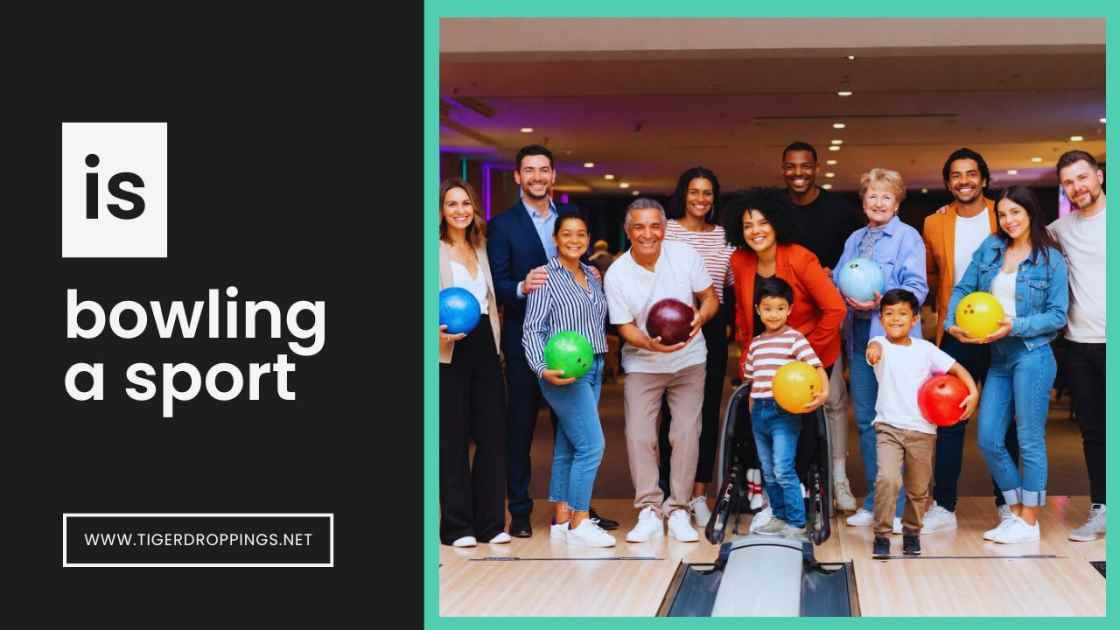
Many wonder is bowling a sport when they see friends enjoying a night out at the lanes. Yes, bowling qualifies as a true sport because it demands skill, physical effort, and mental focus in competition. People across the United States and worldwide treat it as more than recreation. Competitive leagues and professional events prove its status.
This article explores every aspect to settle the debate once and for all. You will learn why experts and players alike affirm that bowling meets every definition of a sport. From ancient roots to modern rules, discover how this activity builds strength, sharpens the mind, and creates careers. Whether you ask is bowling a sport in America or globally, the facts show it stands tall among recognized athletic pursuits.
What Is Bowling?
Bowling stands as a target sport where players roll a heavy ball to knock down pins arranged in a triangle. Ten-pin bowling serves as the most common form in the United States. Players aim for strikes by clearing all pins in one throw or spares by finishing them in two.
The game mixes precision with power. It appeals to all ages and fitness levels. Over seventy million Americans participate regularly. Worldwide, more than one hundred twenty million people enjoy it in over ninety countries. Bowling blends fun with serious competition at league and professional levels.
How Bowling Works
A standard game includes ten frames. In each frame, a player gets up to two rolls. The goal remains knocking down ten pins per frame. Lane oil patterns affect ball movement and require strategy.
Players use a four-step approach, swing the arm smoothly, and release the ball with spin for better control. The ball travels sixty feet to the pins. Automatic pinsetters reset after each throw. Scoring adds up pin counts with bonuses for strong performances. This structure keeps games fast-paced and exciting for beginners and experts.
History of Bowling
Bowling traces back over seven thousand years. Archaeologists found evidence in an Egyptian tomb from around 5200 BC. Stone pins and balls show early players rolled objects at targets. Similar games appeared in ancient Polynesia and Rome.
In Germany around 300 AD, people played in church cloisters as a religious test of faith. King Edward III of England banned it in 1366 to focus soldiers on archery. The modern version grew in Europe with nine pins.
In America, nine-pin bowling faced bans in the 1840s due to gambling. Players added a tenth pin to create ten-pin bowling and bypass laws. The American Bowling Congress was formed in 1895 to standardize rules. Milwaukee became the bowling capital. Today, the sport thrives with millions of fans and structured competitions.
Physical Demands of Bowling

Bowling requires real athletic ability. Each game involves walking about six-tenths of a mile over three games. The swing engages the shoulders, arms back, core, hips, and legs. Balance and coordination prove essential during the slide and release.
Players burn over two hundred calories per hour. Regular play builds muscle tone, improves flexibility, and strengthens joints. Advanced bowlers train with weights and drills to boost power and endurance. These demands clearly show why bowling ranks as a physical sport rather than simple play.
Mental Aspects of Bowling
Success in bowling depends heavily on the mind. Players read lane conditions, adjust for oil patterns, and choose the right ball speed and angle. Focus stays sharp for every shot across ten frames.
Pressure in competition tests composure. Top performers visualize strikes and stay calm after misses. Strategy involves planning spare conversions and managing energy. This mental challenge equals that in chess or golf. Many say the brainwork makes bowling one of the toughest sports mentally.
Key Features of Bowling as a Sport
Bowling shows clear reasons why is bowling a sport through these important features.
Physical and Mental Demand: Professional bowling requires stamina to play multiple rigorous games, often requiring bowlers to manage their physical fatigue and mental focus.
Competition and Strategy: Players must adapt to changing lane conditions and oil patterns and compete for high scores with 300 being the perfect game.
Skill and Precision: It involves technique consistency and years of practice to master, much like golf.
Professional Leagues: The existence of the Professional Bowlers Association and its status as a target sport recognized by international bodies highlights its professional competitive nature.
Global Recognition: It is a major competitive sport in the Special Olympics and Pan American Games.
These features together confirm that bowling meets every standard of a true sport.
Bowling Rules Explained
Official rules keep play fair and consistent. Sanctioned leagues follow United States Bowling Congress guidelines. Players must wear proper shoes. The foul line marks the start of the lane. Crossing it results in a zero for that roll.
Games last ten frames. A player may not interfere with others. Pins reset automatically. Leagues divide into teams or individuals with handicap systems for fair matches. Tournaments feature qualifying rounds and stepladder finals. These rules create structure that elevates bowling beyond casual fun.
Bowling Scoring System
Scoring combines simple pin counts with bonus multipliers. Here is a clear table of common outcomes.
| Frame Situation | Pins on First Roll | Pins on Second Roll | Frame Score Calculation | Example Total |
| Open frame | 7 | 2 | Add pins directly | 9 |
| Spare | 6 | 4 | 10 plus next roll | 10 plus next ball |
| Strike | 10 | None | 10 plus next two rolls | 10 plus the next two rolls |
| Double strike | 10 | 10 in next frame | 10 plus the next two balls | Builds high totals fast |
A perfect game reaches three hundred with twelve strikes. Bonuses make high scores rewarding. Beginners start by tracking simple adds while advanced players master the system for strategy.
Essential Equipment for Bowling
Players need specific gear for the best results. Bowling balls come in weights from six to sixteen pounds. Custom finger holes improve grip and spin. Shoes feature sliding soles on one foot for smooth approaches.
Bags protect equipment during travel. Wrist supports help with consistency. Gloves and tapes fine-tune fit. Lane conditions dictate ball surface and weight choice. Proper gear prevents injury and boosts performance for every level.
Health Benefits of Bowling
Regular bowling delivers multiple wellness gains. It strengthens the heart through moderate cardio. Muscle groups gain tone without high-impact stress. Flexibility improves from repeated stretches.
Social play reduces stress and builds community. Studies link it to better hand-eye coordination and balance. Older adults stay active and maintain bone density. Families bond while improving fitness together. These benefits make bowling a smart choice for lifelong health.
Professional Bowling Leagues and Careers
The Professional Bowlers Association has led the sport since 1958. Events air on major networks with big prize funds. Top players earn six-figure incomes from wins and sponsorships. The tour includes national and regional stops.
Women compete in the Professional Women’s Bowling Association. Leagues offer paths from local to elite levels. Careers extend to coaching, pro shop management, and broadcasting. Dedication and high averages open doors. Many athletes build full-time professions around bowling.
Bowling Olympic Status
People often ask is bowling a sport in the Olympics. It has not gained full medal status yet. A demonstration event occurred in 1988 in Seoul. Bowling appears in the Pan American Games, the Asian Games, and the World Games.
The International Bowling Federation applies regularly for inclusion. Strong global participation and television appeal support its case. Many hope future games will feature it. Until then, bowling shines in other major international competitions.
Common Myths About Bowling as a Sport
Several myths persist around whether is bowling a sport, a game, or hobby. One claims it lacks athleticism because players sit between turns. In truth, constant movement and precise mechanics demand fitness.
Another says luck decides outcomes. Skilled players adapt to conditions far better than beginners, proving technique rules. Some view it only as recreation. Professional tours and strict training disprove that. Addressing these myths highlights bowling’s true competitive nature.
Here are key myths debunked in numbered points.
- Bowling needs no training. Top athletes practice daily for hours.
- Anyone can average high scores easily. Consistent two hundred plus demands years of work.
- It counts only as social fun. Leagues and tournaments treat it with full sports seriousness.
Tips for Better Bowling Performance
Improve your game with these practical steps. Warm up properly to avoid strain. Focus on a consistent four-step approach. Practice spare shooting to raise averages quickly.
Study lane oil and adjust ball choice. Record your form on video for self-review. Join a league for regular competition. Stay positive after bad frames. These habits turn average players into strong performers.
Conclusion: Embracing Bowling as a True Sport
Bowling earns its place as a legitimate sport through historical demands and achievements. It combines physical power, mental strategy, and thrilling competition. From family nights to world stage events, it delivers value for all.
Next time someone questions whether bowling is a sport or a hobby, answer with confidence. The full game offers fitness, friendship, and fulfillment. Grab a ball, hit the lanes, and experience it yourself. Bowling stands ready to welcome everyone into its dynamic world.
FAQs
Is bowling a sport?
Yes. It requires athletic skill training and competition that meet every standard definition.
Is bowling a sport in the olympics?
No official medal event exists yet though it has appeared in demonstration and other major games.
Is bowling a sport or a game?
It functions as both but structured rules scoring and pro levels confirm its sport status.
Is bowling a sport or hobby?
Serious participants treat it as a sport while casual players enjoy it as a hobby. The choice depends on commitment level.
Why is bowling a sport?
Physical exertion mental demands standardized rules and international organizations establish it firmly.
Is bowling a sport in America?
Absolutely. Millions play in leagues. The Professional Bowlers Association operates at the highest level with national recognition.
How many calories does bowling burn?
About two hundred to three hundred per hour depending on intensity and body weight.
What equipment do I need to start bowling?
Rent shoes and balls at centers or buy personal gear for frequent play.
Can kids excel at bowling?
Yes. Youth programs build skills early and many stars began as children.
Does bowling improve mental health?
It reduces stress boosts focus and fosters social connections for better overall wellbeing.





Post Comment